
Stumps Ground Below the Surface Line
Stump Removal and Grinding in Pine Bush for properties with leftover stumps that block landscaping, mowing, or new planting areas
A stump left behind after tree removal creates a permanent obstacle in the yard, interfering with mower blades, attracting wood-boring insects, and occupying space that could be used for replanting or hardscaping. Grinding eliminates the stump by reducing it to wood chips and cutting the remaining root crown several inches below ground level, allowing soil to be filled over the area and grass or plants to be established without visible remnants of the old tree.
Archie's Trees provides stump grinding in Pine Bush using specialized equipment that chips away the stump in layers, processing both the visible trunk section and the underground root flare. The grinder operates with a rotating cutting wheel that moves horizontally across the stump, lowering incrementally until the wood is reduced below the soil surface and no longer obstructs future use of the area.
Arrange an on-site evaluation to assess stump size and determine grinding depth based on your plans for the space.
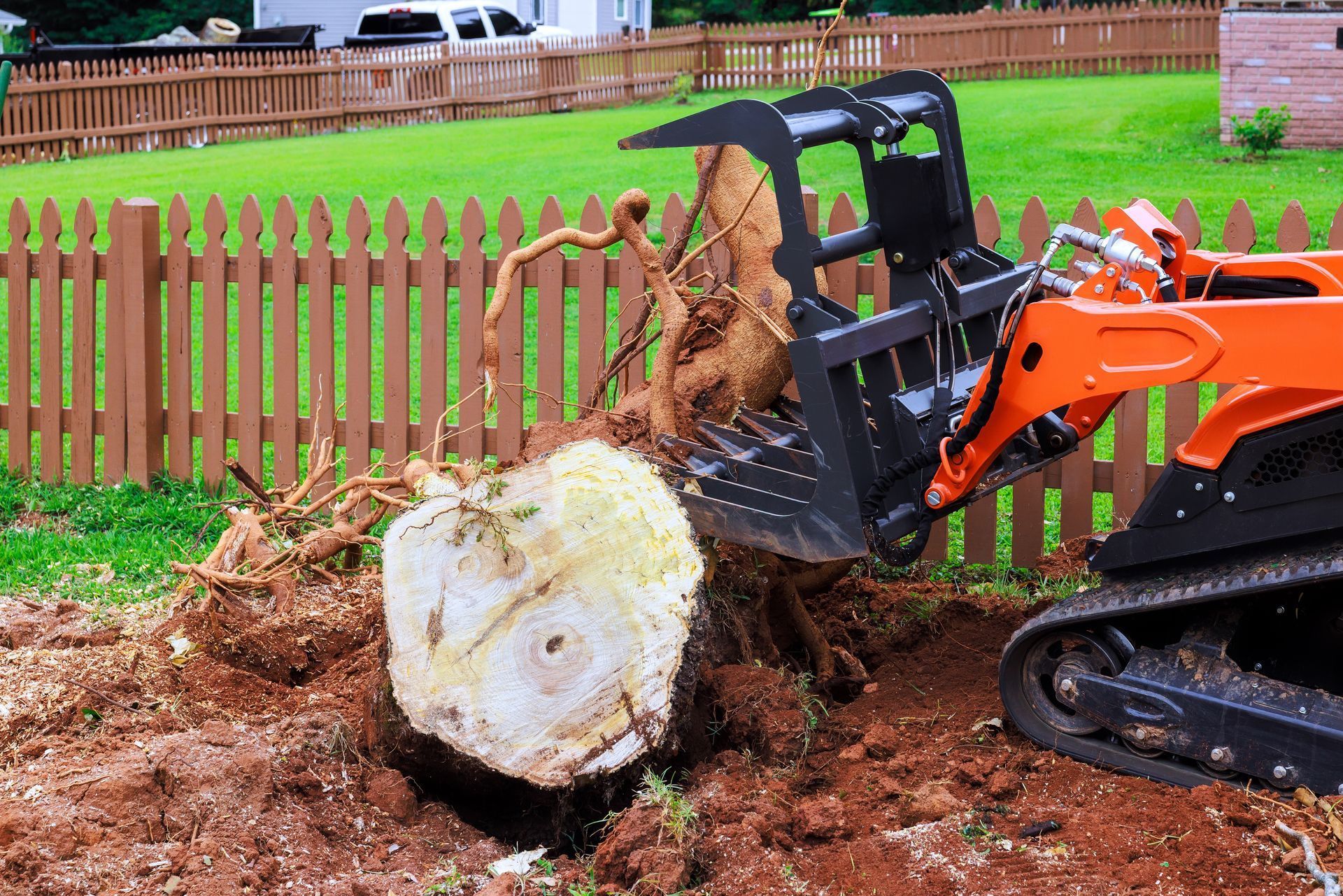
How Grinding Removes the Entire Stump Structure
Grinding begins by clearing debris and rocks from around the stump to prevent damage to the cutting wheel. The machine is positioned next to the stump, and the wheel is lowered onto the surface, grinding in a sweeping pattern that reduces the wood to chips. Depth is adjusted based on whether the area will be grassed over, replanted, or used for paving, with most residential projects requiring grinding six to twelve inches below grade.
Once grinding is complete, the hole is filled with the resulting wood chips or backfilled with soil if immediate planting is planned. The ground settles over the following weeks as the chips decompose, and additional soil may be needed to level the surface. Properties preparing for sod installation or garden beds benefit from removing chips entirely and filling the cavity with clean topsoil before planting begins.
Grinding does not remove lateral roots that extend beyond the stump perimeter, though these roots decompose naturally over time and rarely interfere with surface activities. Stumps located near structures, fences, or utility lines require careful positioning of the grinder to avoid contact with those features while still achieving adequate depth.
Common Questions About Stump Grinding
Stump grinding involves machinery and site preparation that property owners often have questions about before scheduling the service, particularly regarding what happens to the wood and how the area recovers.
How deep does grinding go?
Grinding typically reaches six to twelve inches below the soil surface, which is enough to allow grass or shallow-rooted plants to grow without interference from remaining wood.
What happens to the wood chips left behind?
Chips can be raked into the hole as fill, removed entirely, or spread as mulch in other areas of the property depending on your preference and plans for the site.
Will the stump regrow after grinding?
No, grinding removes the growth points in the stump and root crown, preventing regrowth even if lateral roots remain in the soil.
Can grinding be done near sidewalks or driveways?
Yes, though narrow access or proximity to hardscaping may require smaller grinding equipment or hand-finishing near edges to avoid damaging pavement.
How long before I can replant in the same spot?
You can replant immediately if the hole is backfilled with soil, though waiting a few weeks allows the ground to settle and reduces the chance of the new planting sinking as chips decompose.
Archie's Trees handles stump grinding for properties throughout Pine Bush, with equipment suited to stumps of varying sizes and site conditions. Contact the team to schedule grinding and confirm backfill options based on how you plan to use the cleared area.